by Wandile Sihlobo | Oct 26, 2025 | Agricultural Trade
It is encouraging to see South Africa’s focus on Asia, as evidenced by the recent official trips to Indonesia, Vietnam and Malaysia. This region is key to our agricultural export expansion and to other sectors of our economy. Investment issues are also key in discussions with government and business leaders in these regions.
Another critical area is the Middle East, which is also an export expansion area for South Africa’s agriculture.
The engagement in all these exciting regions is not a shift away from our core export markets in greater Africa, the UK, the US, the EU, and other parts of the world. We remain focused on these core trade partners, and the Asia and Middle Eastern engagements are an expansion of our efforts.
We have so much produce coming from our fields over the next couple of years; we must have a market for it to ensure South African farmers remain financially sustainable and continue to create jobs in the rural communities of our country.
So, the export diversification approach is not just a response to challenges in trade relations with the US, but an essential step to support the growth of our agricultural sector and other sectors of the economy.
What will be key from now on is the consistent engagement of these countries at a technocratic level to ensure that we see tangible trade engagements supported by business. The recent trips help register our interest at a high level and with political leadership, but the real work of ensuring we have greater access to a range of products starts now.
If you enjoyed this post, please consider subscribing to my newsletter here for free. You can also follow me on X (@WandileSihlobo)
by Wandile Sihlobo | Oct 24, 2025 | Agricultural Trade
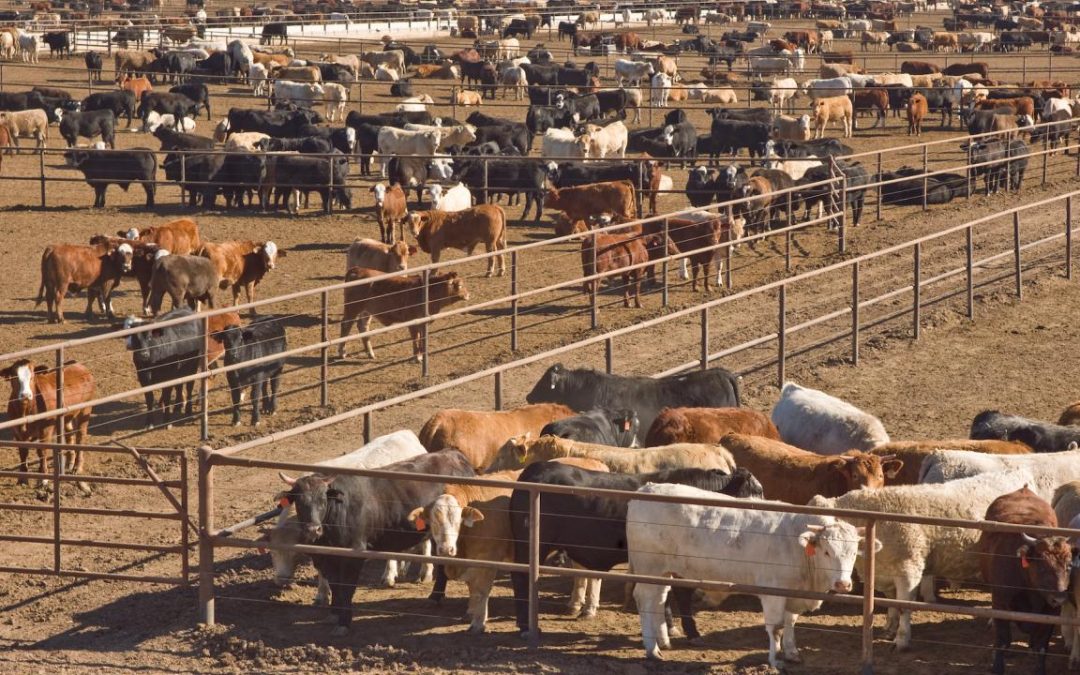
The American farmers have been on the losing end of the current trade war. In China, the U.S. farmers’ market share for soybeans, pork, and other agricultural products is declining as the country shifts its focus and relies more on different countries. The South and Latin Americans have been the beneficiaries as China now buys more of their agricultural products.
Having observed the U.S. approach to protecting its domestic market, few of us thought the country’s leadership would encourage the import of competing products to challenge its domestic producers.
But that is what is happening now with the U.S. leadership encouraging beef imports from Argentina. Of course, the U.S. leadership has its “special” relationship with Argentina, so we can’t expect other countries to receive the same consideration.
Anyways, this issue with beef imports is starting to cause frustration. Reading the New York Times this morning, the following passages caught my attention:
“American ranchers, a longstanding bloc of support for President Trump, are voicing frustration over his plan to increase imports of beef from Argentina.
Beef prices are at record highs, and the president is seeking ways to lower the cost of burgers and steaks for the average shopper. Last week, Mr Trump first floated the idea of buying more Argentine beef. It’s also another way the United States could help prop up the Latin American nation’s sagging economy, which Mr Trump has said he wants to do.
On Wednesday, the White House made it official, stating that the United States would quadruple the amount of Argentine beef allowed into the country annually at a lower tariff rate.
In the days it took to complete the plan, Mr. Trump heard plenty of anger and skepticism from cattle country. The American cattle herd is at its smallest size since the 1950s, and finally, ranchers are benefiting from higher prices because of the smaller supply and are considering investing profits to rebuild their herds.”
These are interesting times. From a consumer perspective, allowing more imports to ease food price inflation pressures is an ideal path. But of course, this introduces a contradiction in the U.S. trade approach, which had seemed to promote an inward-looking approach. Now they are placing their farmers on the line to save Argentina?
If you enjoyed this post, please consider subscribing to my newsletter here for free. You can also follow me on X (@WandileSihlobo)
by Wandile Sihlobo | Oct 23, 2025 | Agricultural Trade
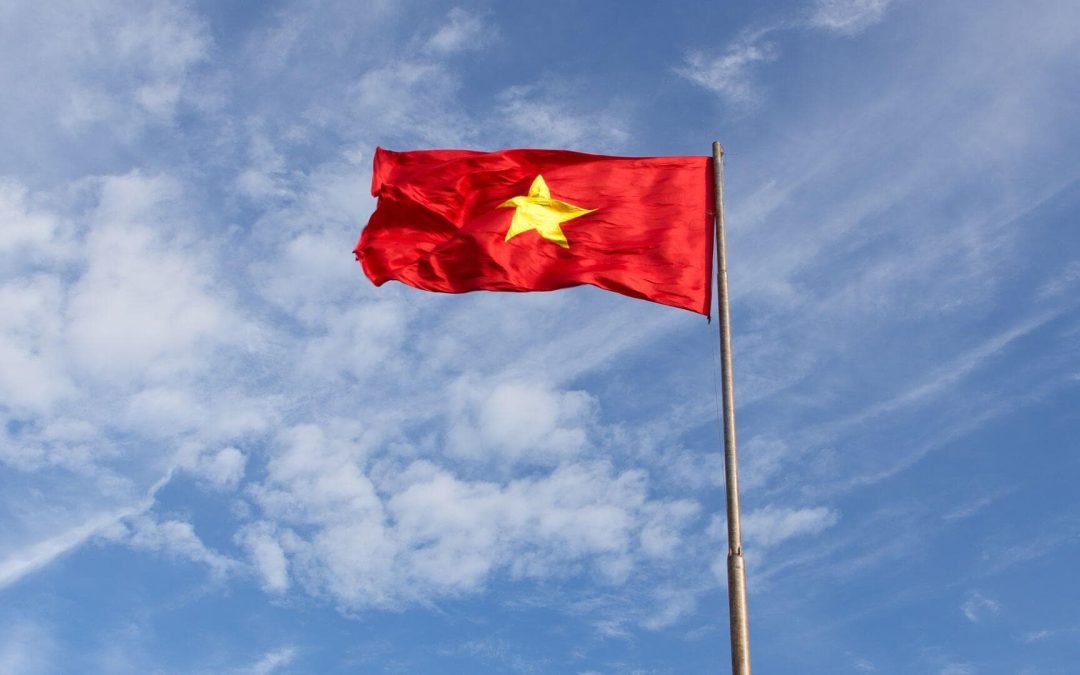
The South African leadership is in Vietnam today, 23 October 2025, for a State Visit. In a similar vein to our previous comment on the visit to Indonesia, the current engagements in Vietnam are key to deepening trade, amongst other issues.
South Africa is on a path of export diversification, and positioning the country in the minds of political leadership in various countries is crucial. What will need to follow these visits are technical engagements, particularly to widen exports of different sectors of our economy. The Department of Trade, Industry and Competition, along with the Department of International Relations and Cooperation, should lead such engagements.
Indeed, South Africa’s Department of Agriculture should also take a keen interest in these engagements. Vietnam is a market we keep on our radar in agriculture. The country spends over US$30 billion on agricultural imports annually.
But if one looks at Vietnam’s agricultural products suppliers, South Africa doesn’t feature prominently. South Africa ranked 34th among agricultural suppliers to Vietnam.
Consider 2024, Vietnam imported US$34 billion worth of agricultural products. South Africa accounted for only 0.3% of these imports (about US$89 million). The key suppliers of agricultural products to Vietnam were China, Brazil, the United States, Argentina, Cambodia, Australia, India, and Indonesia, collectively accounting for 70% of the country’s agricultural imports.
From a products perspective, Vietnam mainly imports maize, nuts, cotton, soybean oilcake, wheat, rice, soybean, beef, and palm oil. South Africa already exports maize, apples and pears, table grapes, nuts, and cotton to Vietnam.
Still, some of these products face some duties, albeit at MFN levels that are reasonably low. For example, South African apples, pears and table grapes face an 8% duty in Vietnam. If the duties were even lower, South Africa’s penetration into the Vietnamese market would be even more significant than it is now.
In addition to these products, South Africa also exports a range of fruits, wine, red meat, grains, and other products. Thus, State visits, such as the current one in Vietnam, coupled with the recent trip to Indonesia and the upcoming trip to Malaysia, must always place a strong focus on trade in the agricultural sector.
For other sectors of the economy, key areas include skills exchange and investment. But in agriculture, the primary focus is expanding export markets. This is not primarily a reaction to challenges in the United States.
Still, it is part of the long-running theme of South Africa’s agricultural growth agenda, reflected also in the Agriculture and Agro-processing Master Plan, published in May 2022.
As we stressed yesterday, as these high-level visits, which spotlight our industries, occur, we must also assess and enhance our capacity, as a country, to execute trade negotiations and secure trade deals for sectors.
We may no longer have the skills we had in the early 2000s in some departments. Therefore, capacitating officials while broadening the political conversation is key to the success of our export diversification.
If you enjoyed this post, please consider subscribing to my newsletter here for free. You can also follow me on X (@WandileSihlobo)
by Wandile Sihlobo | Oct 22, 2025 | Agricultural Trade
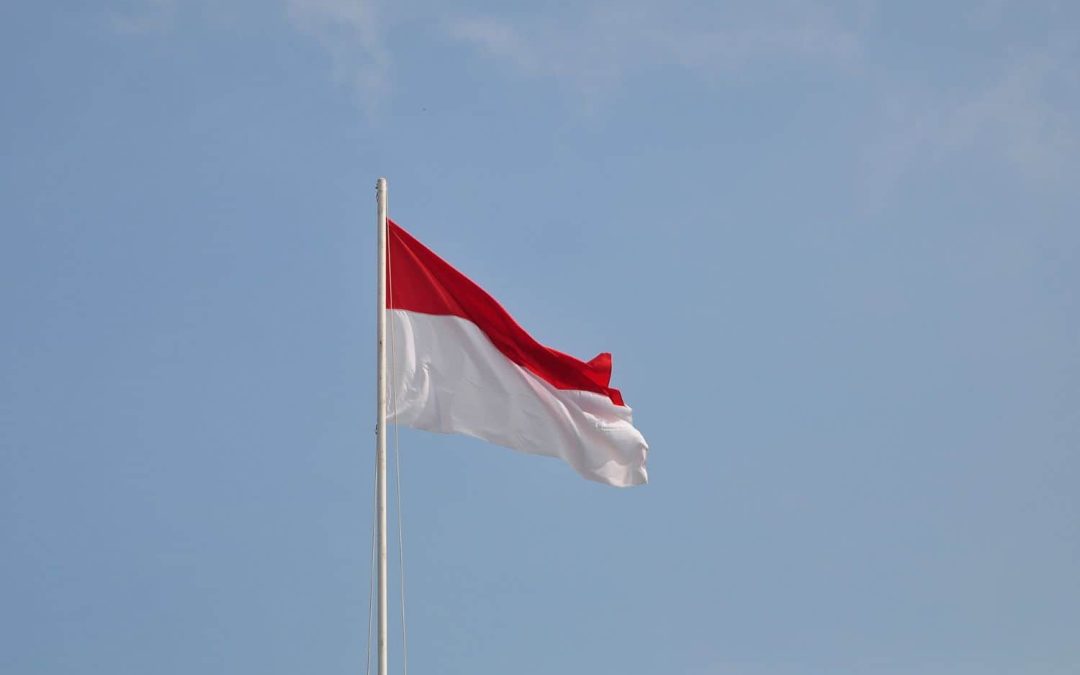
South Africa’s visit to Indonesia is key, and part of the broader agenda of strengthening friendships and firming up our export diversification approach. In the sector I work in, agriculture, Indonesia remains one of the crucial markets for the expansion of our exports, particularly for wine, beef and various fruits.
Currently, Indonesia is not one of our biggest agricultural markets. The country accounts for only 0.3% of our agricultural exports to the world, with US$39 million, out of US$13.7 billion in agricultural exports in 2024.
Yet, Indonesia is a major agricultural exporter in the world. The country imports roughly US$29 billion of agricultural products each year. The major suppliers of agricultural products to Indonesia include Brazil, China, Australia, the United States, Thailand, Argentina, Vietnam, and India, among others.
The key products that Indonesia imports from these countries are wheat, sugar, rice, soybean oilcake, soybean, maize, cocoa beans, beef, onions, apples and pears, table grapes, and peanuts, amongst others. From a rough scan of the products that Indonesia imports mainly from the world, we can partially explain our current minimal participation. Still, there is room to expand our beef, fruits and wine exports to this market. Importantly, the South African visit doesn’t end in Indonesia but also includes Malaysia (1.4% of South Africa’s agricultural exports) and Vietnam (0.6% of South Africa’s agricultural exports), which are also key agricultural importers.
Notably, South Africa already has some level of penetration in these markets. The current focus is on expanding exports to a broader range of agricultural products and other industries by initiating discussions on reducing import tariffs and phytosanitary barriers in certain markets.
In recent times, South Africa has not moved quickly to open up many export markets. We had continued on a piecemeal approach and were not always eager for more ambitious trade agreements due to sensitivities in some industries and other issues.
The success in agricultural exports, mainly, rests on the markets that were opened in the early 2000s. The renewed geopolitical tensions globally and the general expansion of our agricultural production have forced us to focus more on exports these days. Our approach, however, will need to favour signing free trade agreements while assessing the risks to our domestic industries.
There is no way our sector could grow sustainably without an intense focus on exports. We already export about half of our agricultural produce in value terms. If we consider the expansion in production, it will be sustained through exports. This export push is an ambition shared by both the government and the business community for our farming sector.
I must say, however, that as these high-level visits, which spotlight our industries, occur, we must also assess and enhance our capacity, as a country, to execute trade negotiations and secure trade deals for industries. We may no longer have the skills we had in the early 2000s in some departments. Therefore, capacitating officials while broadening the political conversation is key to the success of our export diversification.
This message applies to all exporting sectors in our economy, not just the agricultural sector. Overall, South African political leaders and business must continue their presence in the global arena, as this is key to advancing our economic and commercial diplomacy.
While we didn’t pay much attention to economic and commercial diplomacy matters in the recent past and relied on the success of opening markets in the 2000s, today, we need to move quickly to advance trade in new areas.
Another vital aspect of this is the promotion of investment opportunities in the various sectors of our economy. As all this is happening, the various domestic reforms and necessary improvements in municipal functioning and crime fighting must continue, as they are prerequisites for the growth of domestic exporting firms and farming businesses.
If you enjoyed this post, please consider subscribing to my newsletter here for free. You can also follow me on X (@WandileSihlobo)

by Wandile Sihlobo | Oct 18, 2025 | Agricultural Trade
This is an update from the post I made last weekend. I may regularly comment on this as we receive South Africa’s grain trade data weekly. October 10 marked the second week of the new 2025-26 marketing year.
The imports to date have totalled 92,705 tonnes from the United States, Australia, Lithuania, and Poland. The United States was the new addition this marketing year, while the rest of the countries were the primary suppliers in the first week of the 2025-26 marketing year. The year ends in September 2026.
We expect South Africa’s 2025-26 wheat imports to reach 1.74 million tonnes, down from 1.83 million tonnes in 2024-25 marketing year because of an expected slight recovery in the domestic harvest.
Some background
For anyone wondering why South Africa imports wheat, I must highlight some brief historical perspective I have shared here before. South Africa began importing over a million tonnes of wheat from the 2003-04 marketing year.
In the years before that, wheat imports averaged 458,518 tonnes, for example, between 1989-90 and 2002-03. The import surge resulted from increased consumption and a decline in area plantings.
From the 1997-98 season, South Africa’s wheat plantings fell below a million hectares, the norm in seasons before this period. This decline is better explained by the profitability challenges that farmers have faced since that period, specifically in the Free State and in non-conducive climatic conditions.
The critical thing to recall is that before 1997-98, South Africa’s agricultural markets were regulated, and the various commodities boards played a massive role in setting prices, including wheat.
Thus, after deregulation, South African farmers had to compete in the global market. Therefore, the Free State production areas came under profitability strain, resulting in farmers switching from wheat to other profitable crops.
Other provinces of South Africa don’t have large areas with conducive climatic conditions for high-quality wheat milling for human consumption. Hence, we speak of a few central wheat-producing provinces, including the Western Cape and those under irrigation in the Northern Cape, Free State, Limpopo, and North West.
A significant development over the years has been the improvement in productivity in South Africa’s wheat farming. In 1997-98, South Africa’s wheat yields were below 2.0 tonnes per hectare. The yields are 3,8 tonnes per hectare as of the 2024-25 production season.
Because of improved profitability, South African wheat production has remained relatively large. The 2021/22 crop was the largest in 20 years, at about 2.3 million tonnes.
In 2025-26, the crop is estimated at 2.03 million tonnes. This is insufficient to meet annual consumption. Thus, we say, South Africa will likely import about 1.74 million tonnes of wheat in the 2025-26 marketing year to supplement the domestic supplies. The current import volumes are roughly half of South Africa’s annual wheat needs of 3.8 million tonnes.
If you enjoyed this post, please consider subscribing to my newsletter here for free. You can also follow me on X (@WandileSihlobo)

by Wandile Sihlobo | Oct 16, 2025 | Agricultural Trade
It is a reasonably busy day. But I do want to comment on the exciting news of South Africa’s signing of the stone fruit trade protocol with China. As South Africa’s Department of Agriculture stated:
“The agreement opens the Chinese market for the first time to five types of South African stone fruit, namely apricots, peaches, nectarines, plums, and prunes. It is also the first instance where China has negotiated access for multiple stone fruit types from a single country under one deal.”
This is commendable, and we must continue working to broaden South Africa’s agricultural access to China.
At the moment, South Africa holds a small share in China’s list of agricultural suppliers, at about 0.4% (US$979 million) of China’s agricultural imports of US$218 billion in 2023.
However, this current access in China is vital for the wool and red meat industry. China accounts for roughly 70% of South Africa’s wool exports. The fruit industry must be the next to see broader access.
There is a progressive increase in red meat exports, even though animal diseases currently cause glitches. The focus should be on expanding this access by lowering import duties/tariffs and other non-tariff barriers to encourage more fruit, grain, and other product exports to China.
Still, it is essential to emphasise that the focus on China is not at the expense of existing agricultural export markets and relationships. Instead, China offers an opportunity to continue with export diversification.
China is among the world’s leading agricultural importers, accounting for 9% of global agricultural imports in 2024 (before 2024, China had been a leading importer for many years). The US was the world’s leading agricultural importer in the same year, accounting for 10% of global imports.
Germany accounted for 7%, followed by the UK (4%), the Netherlands (4%), France (4%), Italy (3%), Japan (3%), Belgium (3%) and Canada (2%).
The diversity of agricultural demand in global markets convinces us that South Africa’s agricultural trade interests should not be limited to one country but should be spread across all major agricultural importers.
Importantly, promoting diversity and maintaining access to various regions have been key components of South Africa’s agricultural trade policy since the dawn of democracy.
For example, in 2024, South Africa exported a record US$13.7 billion of agricultural products, up 3% from the previous year. These exports were spread across the diverse regions. The African continent accounted for the lion’s share of South Africa’s agricultural exports, with a 44% share of the total value.
As a collective, Asia and the Middle East were the second-largest agricultural markets, accounting for 21% of the share of overall farm exports. The EU was South Africa’s third-largest agricultural market, accounting for a 19% share of the market. The Americas region accounted for 6% of South Africa’s agricultural exports in 2024. The rest of the world, including the United Kingdom, accounted for 10% of the exports.
So, while the recent protocol is commendable, wider access at lower tariffs is necessary. This export push is key to South Africa’s agricultural growth.
If you enjoyed this post, please consider subscribing to my newsletter here for free. You can also follow me on X (@WandileSihlobo)

by Wandile Sihlobo | Oct 12, 2025 | Agricultural Trade
South Africa is a net wheat importer, and October 3 marked the first week of the new 2025-26 marketing year. The imports for the first week of the 2025-26 marketing year totalled 20,362 tonnes. The suppliers were from Australia (52%), Lithuania (43%) and Poland (5%).
We expect South Africa’s 2025-26 wheat imports to reach 1.74 million tonnes, down marginally from 1.83 million tonnes in 2024-25 marketing year because of an expected slight recovery in the domestic harvest.
For anyone wondering why South Africa imports wheat, I must highlight some brief historical perspective I have shared here before. South Africa began importing over a million tonnes of wheat from the 2003-04 marketing year.
In the years before that, wheat imports averaged 458,518 tonnes, for example, between 1989-90 and 2002-03. The import surge resulted from increased consumption and a decline in area plantings.
From the 1997-98 season, South Africa’s wheat plantings fell below a million hectares, the norm in seasons before this period. This decline is better explained by the profitability challenges that farmers have faced since that period, specifically in the Free State and in non-conducive climatic conditions.
The critical thing to recall is that before 1997-98, South Africa’s agricultural markets were regulated, and the various commodities boards played a massive role in setting prices, including wheat.
Thus, after deregulation, South African farmers had to compete in the global market. Therefore, the Free State production areas came under profitability strain, resulting in farmers switching from wheat to other profitable crops.
Other provinces of South Africa don’t have large areas with conducive climatic conditions for high-quality wheat milling for human consumption. Hence, we speak of a few central wheat-producing provinces, including the Western Cape and those under irrigation in the Northern Cape, Free State, Limpopo, and North West.
A significant development over the years has been the improvement in productivity in South Africa’s wheat farming. In 1997-98, South Africa’s wheat yields were below 2.0 tonnes per hectare. The yields are 3,8 tonnes per hectare as of the 2024-25 production season.
Because of improved profitability, South African wheat production has remained relatively large. The 2021/22 crop was the largest in 20 years, at about 2.3 million tonnes.
In 2025-26, the crop is estimated at 2.03 million tonnes. This is insufficient to meet annual consumption. Thus, we say, South Africa will likely import about 1.74 million tonnes of wheat in the 2025-26 marketing year to supplement the domestic supplies. The current import volumes are roughly half of South Africa’s annual wheat needs of 3.8 million tonnes.
If you enjoyed this post, please consider subscribing to my newsletter here for free. You can also follow me on X (@WandileSihlobo)

by Wandile Sihlobo | Sep 24, 2025 | Agricultural Trade
Earlier this week, at the South Africa–China Trade and Investment Promotion Conference in Johannesburg, China’s Ambassador to South Africa, Mr Wu Peng, stated, among other things, that:
“In recent years, China has steadily increased imports from South Africa. Take agriculture as an example: today, as avocados and dairy products have gained market access to China, 68 categories of South African agri-food products can be exported to China. 90% of South Africa’s pecans and half of its macadamias are sold to China. These products have enriched the food baskets of Chinese consumers, and more importantly, increased the incomes of South African farmers and exporters.”
I want to add that while we appreciate this momentum and want to see a deeper integration of agricultural products into China, there are still some constraints. For example, many of the products that Mr Wu Peng mentioned still face various levels of tariffs. Consider our macadamia nuts; they face a 12% tariff in China. In the case of wine, the industry faces tariffs ranging from 14% to 20% (depending on whether the wine is bottled or sold in bulk).
Still, I say this not to discourage the trade conversation with China, but to highlight that there remain essential hindrances that both our countries must work on. We face these tariffs because we don’t have a formal trade agreement. Such an agreement would involve various trade-offs, with implications for other sectors of the South African economy; therefore, policymakers will need to be cognizant of these when engaging with China.
Still, the Chinese market remains vital for the growth of our agricultural sector, and it is the second-largest market in the world, accounting for roughly 11% of global agricultural imports in 2023, valued at US$218 billion. The leading suppliers of farm products to China are Brazil, the U.S., Thailand, Australia, New Zealand, Indonesia, Canada, Vietnam, France, Russia, Argentina, Chile, Ukraine, the Netherlands, and Malaysia.
South Africa remains a negligible player in the Chinese agricultural market, accounting for a mere 0.4% (US$979 million) of China’s agricultural imports of US$218 billion in 2023. These exports include a variety of fruits, wine, red meat, nuts, maize, soybeans, and wool. Some of these products are subject to various levels of tariffs.
Our goal is to achieve greater access to more fruits, grains, wine, and beef at lower tariff levels. There is room for more ambitious agricultural export efforts.
China’s offer to remove tariffs on various products from the African continent remains a key consideration in these conversations. However, any South African policymaker must remember that our economy is diverse. While I generally write about agriculture here, when engaging with China broadly, one must consider the implications for other sectors of our economy in any conversation involving trade agreements with countries such as China.
I raise this because China, like other countries globally, will eventually look to the world to increase its exports as it encounters friction in the U.S. market. Such diversification efforts may involve the African continent, which, for now, is starting from a generous path of extending zero-tariff access. It is possible that, in the long run, reciprocity will be China’s request, which is a fair point in terms of trade; it cannot be a one-way approach.
If such a possibility exists, then each country will need to approach China’s offer of zero tariffs with a long-term mindset and consideration for other sectors of the economy. In the South African context, while we want agriculture to have deeper access in China, this is one matter we must keep in mind, and possibly an issue our policymakers are contemplating. Balancing the tradeoffs will be tricky.
If you enjoyed this post, please consider subscribing to my newsletter here for free. You can also follow me on X (@WandileSihlobo)