
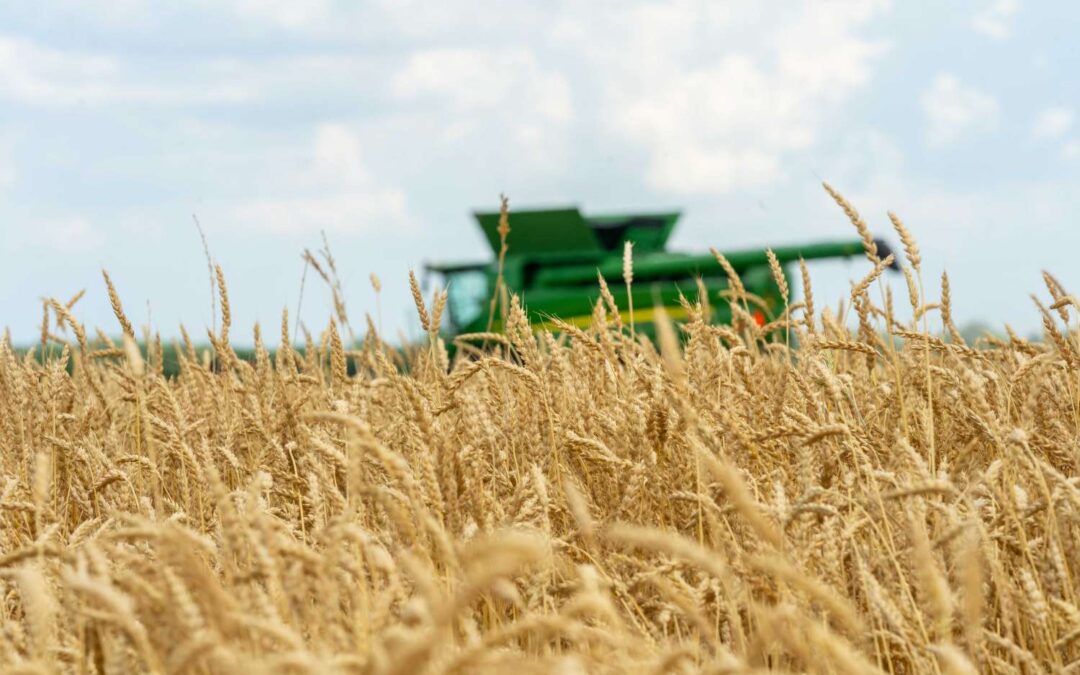
As the northern regions of South Africa receive excellent summer rains that help summer crops, the south-western areas of the country have been relatively warm and dry. The warm weather helps with the winter wheat harvest. The farmers are making encouraging progress.
I am looking at the wheat delivered to commercial silos between September and the end of November, which is about 1.1 million tonnes. This volume equals 55% of South Africa’s expected 2025-26 wheat harvest of 2.03 million tonnes. By the way, the harvest is up 5% from the 2024-25 season.
The annual improvement is boosted by the expected better harvest in the Northern Cape, Free State, Eastern Cape, and Limpopo.
The Western Cape, which accounts for over half of South Africa’s winter wheat production, is expected to experience a mild decline in the harvest this year compared to the 2024-25 season due to unfavourable weather conditions in some parts of the province.
A potential wheat harvest of 2.03 million tonnes implies that South Africa may need to import approximately 1.74 million tonnes in the 2025-26 season to meet our annual needs.
These imports are expected to be down 5% from the 2024-25 season. The import activity is unlikely to pose a challenge. We have ample global wheat supplies, which will ease South Africa’s import activity. For example, the International Grains Council forecasts a record 2025-26 global wheat harvest of 827 million tonnes, up 3% from the previous season.
With the domestic wheat production figures we have at hand, combined with global wheat supplies, we view the situation as boding well for a moderating path of food price inflation.
Evidently, we continue to see lower wheat prices. South Africa’s wheat spot price was R5,636 per tonne on December 2, 2025, down 5% year-on-year.
If you enjoyed this post, please consider subscribing to my newsletter here for free. You can also follow me on X (@WandileSihlobo)
